
Owning a specialized vehicle, whether a high-performance sports car, a heavy-duty diesel workhorse, a custom luxury cruiser, or an overland recreational vehicle, delivers an experience that standard passenger cars simply cannot replicate. However, these unique machines come with tailored engineering, elevated mechanical stress, and specialized component needs that render routine quick-lube oil changes and drive-through automated car washes wholly insufficient.
To protect your significant investment, maintain peak engine performance, and avoid catastrophic repair costs down the road, specialized vehicles demand a dedicated, preventive maintenance strategy. This guide breaks down essential operational protocols across five distinct specialty vehicle categories, providing actionable strategies to preserve your vehicle’s mechanical integrity, physical appearance, and long-term resale value.
1. High-Performance and Sports Vehicle Preservation
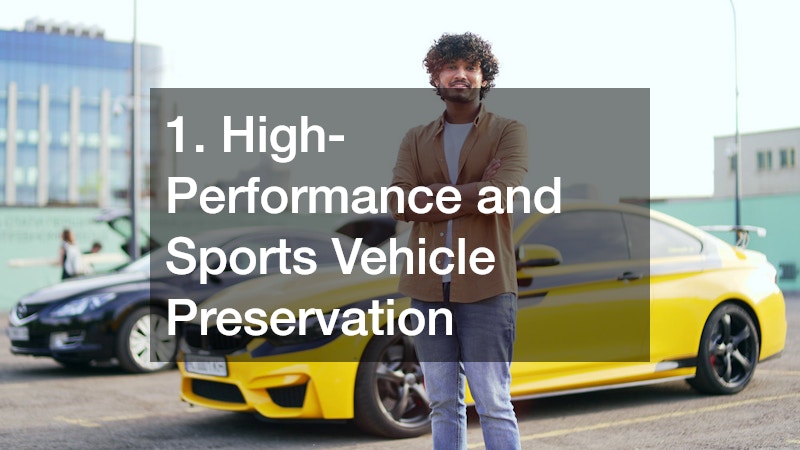
High-performance vehicles operate under extreme thermal, mechanical, and rotational stress. Their high-revving engines generate intense internal heat, while low-slung, aerodynamic profiles leave delicate paint and carbon-fiber body panels vulnerable to road debris.
A primary risk for high-performance powertrains is the thermal breakdown of engine oil and fluid aeration under high lateral g-forces. Always utilize full-synthetic, high-viscosity lubricants rated specifically for track and high-stress applications. Regularly inspect engine oil coolers, power steering lines, and differential fluid temperatures following spirited driving sessions. Extreme engine bay heat can also cook surrounding plastic connectors, vacuum lines, and wiring harnesses, turning them brittle over time. Installing aftermarket heat shielding or thermal tape around sensitive engine bay components protects delicate sensors from premature thermal failure during track sessions or spirited canyon drives.
Beyond mechanical maintenance, preserving the vehicle’s interior cabin and aesthetic finish is vital for maintaining long-term resale value. When upgrading interior comfort and UV defense, installing high-quality auto window tint shields delicate hand-stitched leather dashboards and carbon-fiber trim from solar degradation. Modern ceramic and infrared-blocking window films drastically reduce cabin heat buildup without interfering with onboard telemetry, cellular signals, or GPS navigation systems.
When making physical performance upgrades, always choose high-grade performance vehicle parts engineered specifically for your vehicle’s make and engine code. Installing substandard or poorly calibrated aftermarket air intakes, exhaust manifolds, or unverified ECU tunes can disrupt precise air-fuel ratios, leading to dangerous lean conditions and permanent engine damage under load. Quality performance upgrades should always be accompanied by custom dyno tuning to ensure that mass airflow sensors and fuel injectors communicate properly, maintaining safe exhaust gas temperatures under full throttle.
- Fluid Management: Change synthetic engine oil and high-temperature brake fluid at shorter, performance-based intervals, especially after aggressive track driving.
- Aesthetic Protection: Install high-grade ceramic window film to block harmful UV rays and prevent interior leather and carbon dash cracking.
- Quality Upgrades: Source certified, factory-tested aftermarket performance upgrades rather than cheap knockoffs to maintain proper air-fuel calibration.
- Brake Inspection: Regularly inspect multi-piston calipers, ceramic brake pads, and cross-drilled or carbon-ceramic rotors for hairline heat cracks and pad glazing.
- Tire Heat Cycles: Monitor tire tread depth, sidewall integrity, and pressure fluctuations, as high-performance compound tires degrade from heat cycles even with remaining tread.
2. Heavy-Duty Diesel and Tow Vehicle Maintenance
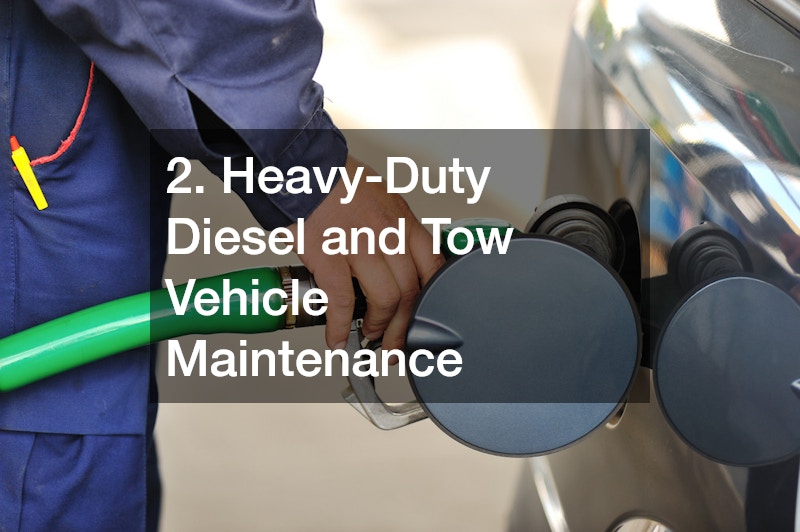
Heavy-duty diesel trucks are engineered for immense low-end torque, heavy payload capacities, and rigorous cross-country towing demands. However, modern diesel powertrains rely on highly complex turbocharging, high-pressure common-rail fuel injection, and strict exhaust emissions systems that require specialized care.
Preventive fuel system maintenance is absolutely critical for diesel engines. Water contamination in diesel fuel can ruin ultra-precise fuel injectors and high-pressure fuel pumps within miles, resulting in thousands of dollars in repairs. Draining fuel-water separators monthly and replacing primary and secondary fuel filters strictly according to manufacturer intervals prevents fuel system contamination. Additionally, using high-quality fuel additives during winter prevents diesel fuel gelling and lubricates delicate injection pumps that modern ultra-low-sulfur diesel fuel fails to protect adequately.
When mechanical issues inevitably arise, seeking specialized diesel repairs ensures your truck is serviced by certified technicians who thoroughly understand turbo boost pressures, Exhaust Gas Recirculation (EGR) valves, and Diesel Particulate Filter (DPF) regeneration cycles. Standard gas-engine mechanics often lack the specialized diagnostic scanners needed to pinpoint complex diesel sensor errors correctly. Heavy boost pressure can easily stretch stock silicon intercooler boots or cause hairline cracks in aluminum charge pipes, leading to power loss and excessive soot buildup inside the intake manifold.
Similarly, maintaining a commercial work truck, fleet vehicle, or heavy-duty tow rig requires partnering with a certified shop equipped for heavy lifts, commercial tire balancing, and heavy-vehicle diagnostic software. Timely, professional truck repair keeps commercial vehicles compliant with road safety standards and prevents costly operational downtime. Heavy towing places extreme stress on automatic transmission clutch packs and torque converters, making regular transmission fluid flushes and auxiliary cooler inspections essential for long-haul durability.
- Fuel System Hygiene: Drain the fuel-water separator monthly and replace dual fuel filters every 10,000 to 15,000 miles without exception.
- Emissions System Care: Drive at sustained highway speeds regularly to allow the exhaust system to complete full passive DPF regeneration cycles.
- Specialized Diagnostics: Work exclusively with technicians who specialize in heavy-duty diesel powertrains to diagnose boost leaks or EGR valve clogging.
- Drivetrain Lubrication: Replace heavy-duty differential and transfer case fluids frequently, particularly if regularly towing heavy trailers.
- Cooling System Audits: Inspect fan clutches, water pumps, and heavy-duty radiators annually to ensure engine temperatures remain stable under heavy towing loads.
3. Recreational Vehicles (RVs) and Overland Campers
Recreational vehicles represent a unique combination of an automotive chassis and a fully functional residential home. Because RVs often sit idle for extended periods between seasonal road trips, they suffer as much from stagnation and environmental exposure as they do from road wear.
Prior to setting off on any trip, inspecting tire sidewalls for dry rot, cracking, and checking manufacture date codes is essential. RV tires frequently suffer internal structural failure due to long-term UV exposure and static weight distribution long before their tread wears down. Parking your RV on rubber leveling blocks or wooden boards rather than direct concrete or soil prevents chemical reactions that draw moisture and oils out of the tire rubber, delaying sidewall degradation.
Addressing structural integrity issues early is vital to avoiding catastrophic water damage. Roof seals, slide-out gaskets, and plumbing lines require routine inspection. When electrical systems, slide-out motors, or onboard plumbing malfunction, turning to professional rv repairs ensures that both the automotive chassis and the living quarters are serviced safely and correctly. House battery banks—whether deep-cycle lead-acid or lithium-iron-phosphate—require precise voltage monitoring, solar charge controller calibration, and routine terminal cleaning to prevent sudden electrical brownouts when dry-camping off-grid.
To protect large expanses of custom RV glass from road debris and thermal stress during long highway drives, work with a certified auto glass company. Replacing massive, panoramic RV windshields or side windows requires specialized structural sealants, proper recalibration of driver-assist cameras, and specialized handling that standard passenger-car glass shops cannot provide. The flexing of a large RV frame over uneven terrain can put immense stress on windshield seals, making proper fiberglass frame inspection critical prior to installing new glass.
- Roof Seal Inspection: Inspect lap sealant around roof vents, air conditioners, and structural seams every six months to prevent water intrusion.
- Tire Management: Cover tires during storage to block UV rays, and replace RV tires every 5 to 7 years regardless of remaining tread depth.
- Specialized Glass Replacement: Address chips or cracks in large RV windshields immediately using specialized heavy-vehicle glass technicians.
- System Exercising: Run onboard generators under electrical load for at least two hours monthly to keep carburetor bowls clear and battery banks charged.
- Slide-Out Maintenance: Clean and lubricate slide-out tracks and rubber seals regularly to prevent motor burnout and water leaks.
4. Advanced Bodywork and Paint Care for Exotic and Custom Rides
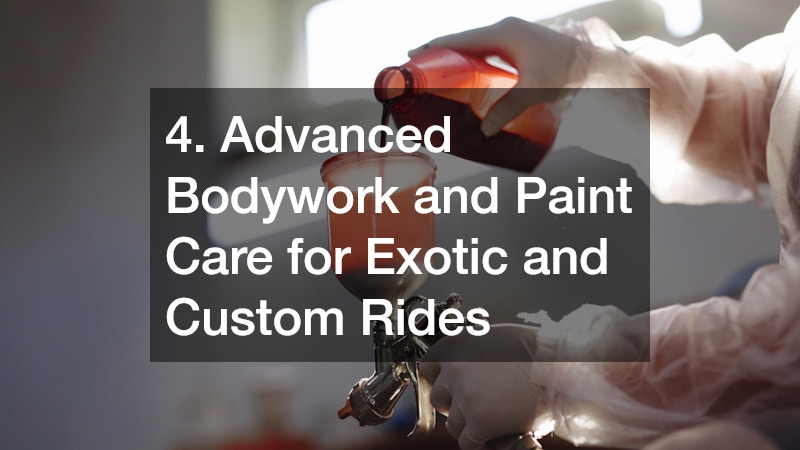
Specialized vehicles—such as classic restorations, custom builds, and luxury exotics, feature delicate, high-end paint finishes that demand specialized care. Traditional automatic drive-through car washes feature abrasive brushes and harsh recycled water that quickly leave micro-scratches, swirl marks, and severe water spots on soft custom clear coats.
Preserving a flawless finish requires shifting away from automated washes to specialized hand car washes using the two-bucket method fitted with grit guards. Washing by hand with pH-neutral shampoos and plush microfiber wash mitts ensures that abrasive road grit is lifted away safely without scarring the clear coat. Pre-soaking the vehicle in rich microfiber snow-foam lubricates surface contamination before any wash mitt touches the paint, drastically reducing mechanical friction and swirl formation.
When minor parking lot incidents or small door dings inevitably happen, avoid invasive traditional bodywork that requires grinding down original factory paint, applying heavy body filler, and repainting panels. Utilizing local paintless dent repair (PDR) allows certified technicians to meticulously massage metal panels back into their original shape from behind using specialized tools, preserving the factory clear coat and maintaining the vehicle’s original value. PDR preserves the original factory E-coat layer on aluminum and steel panels, preventing long-term corrosion risks associated with sanding and repainting.
Furthermore, environmental contaminants like bird droppings, tree sap, and road tar can etch into soft clear coats in a matter of hours under direct sunlight. Applying high-grade ceramic coatings or self-healing Paint Protection Film (PPF) across high-impact areas creates a physical barrier that deflects debris and chemically resists environmental contamination, making routine maintenance washes effortless.
- Safe Washing Techniques: Avoid mechanical, automated car washes; wash delicate finishes by hand using the two-bucket method with grit guards.
- Paint Preservation: Opt for paintless dent removal to eliminate minor door dings without stripping original factory paint or applying body filler.
- Surface Protection: Apply high-grade ceramic coatings or Paint Protection Film (PPF) on high-impact front fascias to deflect rock chips.
- Microfiber Care: Wash microfiber towels separately using dedicated microfiber detergents without fabric softeners to prevent paint scratching during detailing.
- Interior Conditioning: Treat leather seats and leather-wrapped interior surfaces with specialized conditioners quarterly to prevent drying and cracking.
5. Establishing a Scheduled Preventive Care Routine
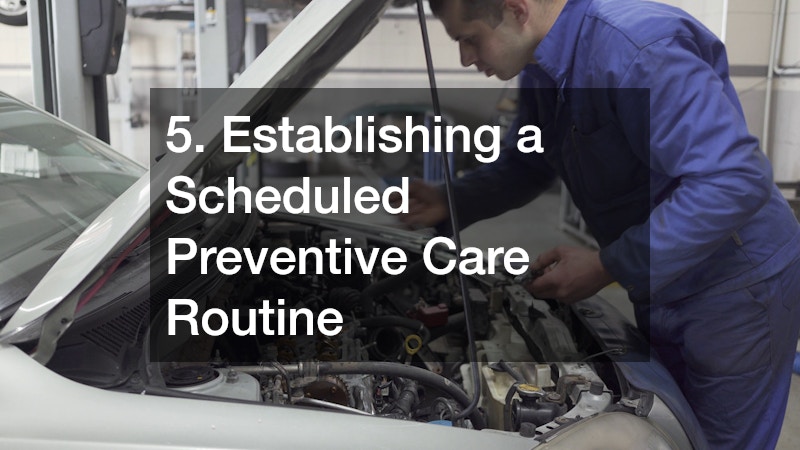
Maintaining specialized vehicles requires transitioning from reactive repairs to a structured, scheduled maintenance protocol. Navigating specialized warranties, delicate electronic calibrations, and custom fluid requirements demands clear organization and dedicated automotive partners.
Finding the best car service involves seeking out certified, specialized independent facilities that employ technicians trained in your vehicle’s specific brand or mechanical platform. Look for shops that invest in factory diagnostic tools, offer clear digital vehicle inspection reports, and maintain pristine, organized bays. Specialized shops understand the subtle nuances of low-volume production vehicles, such as specific torque patterns for magnesium wheels or delicate fluid bleed procedures for complex dry-sump oiling systems.
Leveraging advanced onboard diagnostic tools and real-time telemetry monitors provides an unprecedented layer of protection for high-value engines. Installing specialized OBD-II data loggers or dedicated aftermarket gauge suites allows owners to monitor critical engine parameters, such as oil pressure, fuel trim ratios, coolant temperatures, and transmission heat, long before a warning light illuminates on the dashboard. Identifying a slow drop in fuel pressure or a minor rise in intake air temperature during normal operation enables you to address failing sensors, clogged filters, or weak pumps proactively, preventing catastrophic mechanical failures on the road or track.
When enhancing cabin comfort and thermal rejection, schedule a professional auto tinting service rather than attempting a DIY installation. Certified installers apply precision-cut ceramic films in dust-controlled environments, preventing unsightly air bubbles, dust inclusions, or premature peeling. Professional installers use computer-guided film cutters mapped precisely to your vehicle’s exact glass dimensions, eliminating the risk of razor blades scoring delicate rubber window gaskets or rear defroster lines.
- Log Everything: Keep a detailed physical or digital binder recording every service, part number, fluid change, and inspection report.
- Choose Specialized Shops: Partner with independent shops that specialize in your specific platform rather than general-purpose repair chains.
- Professional Upgrades: Entrust glass, tinting, and delicate bodywork exclusively to certified, insured specialists.
- Pre-Season Audits: Conduct comprehensive pre-season inspections before taking specialized vehicles out of winter or seasonal storage.
- Monitor Battery Health: Utilize intelligent trickle chargers during off-season storage to maintain complex vehicle electrical systems and battery life.
Specialized vehicles deliver incredible performance, utility, and joy on the road, but they demand a higher standard of care than everyday commuter cars. By executing tailored maintenance protocols, sourcing quality components, protecting exterior and interior surfaces, and partnering with qualified service specialists, you safeguard your vehicle’s reliability and maximize its value for years to come.