
Key Takeaways
- Modern service appointments go far beyond spark plugs, now covering sensor calibrations and software updates critical to driver-assist features
- Advanced driver assistance systems like lane keeping and automatic braking depend on precisely aligned cameras and radar units
- Skipping scheduled inspections can disable safety features without warning lights, leaving drivers unaware of degraded performance
- Preventive service pays for itself many times over by catching small issues before they turn into major repairs
- Battery health, electrical connections, and software versions directly affect how well collision avoidance technology performs
- Choosing a shop with proper calibration equipment is essential for vehicles built after roughly 2018
- Regular inspection intervals vary widely based on make, model, and driving conditions, so following your owner’s manual matters
Cars today are rolling computers. They watch the road, read lane lines, measure the distance to the vehicle ahead, and even pull you back into your lane if you drift. All of that magic depends on sensors, cameras, radar modules, and software working in perfect harmony. When one piece drifts out of alignment, the entire safety net can quietly fail.
That is the problem a lot of drivers do not see coming. The old idea of a service visit meant spark plugs, oil, and maybe a new air filter. Modern cars need all of that too, but they also need their electronic eyes and ears checked. Miss those steps and you may be driving a car whose safety features are only pretending to work.
This article walks through the most common issues drivers face with today’s safety-equipped vehicles and solves them one at a time. By the end, you will know exactly what to ask for at your next service appointment and why each step matters more than ever.
Why Old-School Service Checklists No Longer Cut It
A decade ago, a service appointment focused almost entirely on the engine. Spark plugs, filters, belts, hoses, and fluids. Mechanics would listen for odd noises, check timing, and send you on your way. The checklist was predictable because cars were mechanically simple compared to today.
Now vehicles ship with dozens of control modules, cameras behind the windshield, radar sensors behind the grille, and ultrasonic sensors tucked into every bumper. A traditional checklist misses all of this hardware entirely. The result? Owners pay for service and still drive away with safety systems that are degraded, uncalibrated, or running outdated software.
According to Kelley Blue Book, a proper service visit replaces several wear-and-tear components including the air filter, fuel filter, oxygen sensor, PCV valve, and spark plug wires. Those basics still matter, but they are only the starting point for modern cars.
What Does Modern Preventive Service Actually Cover?
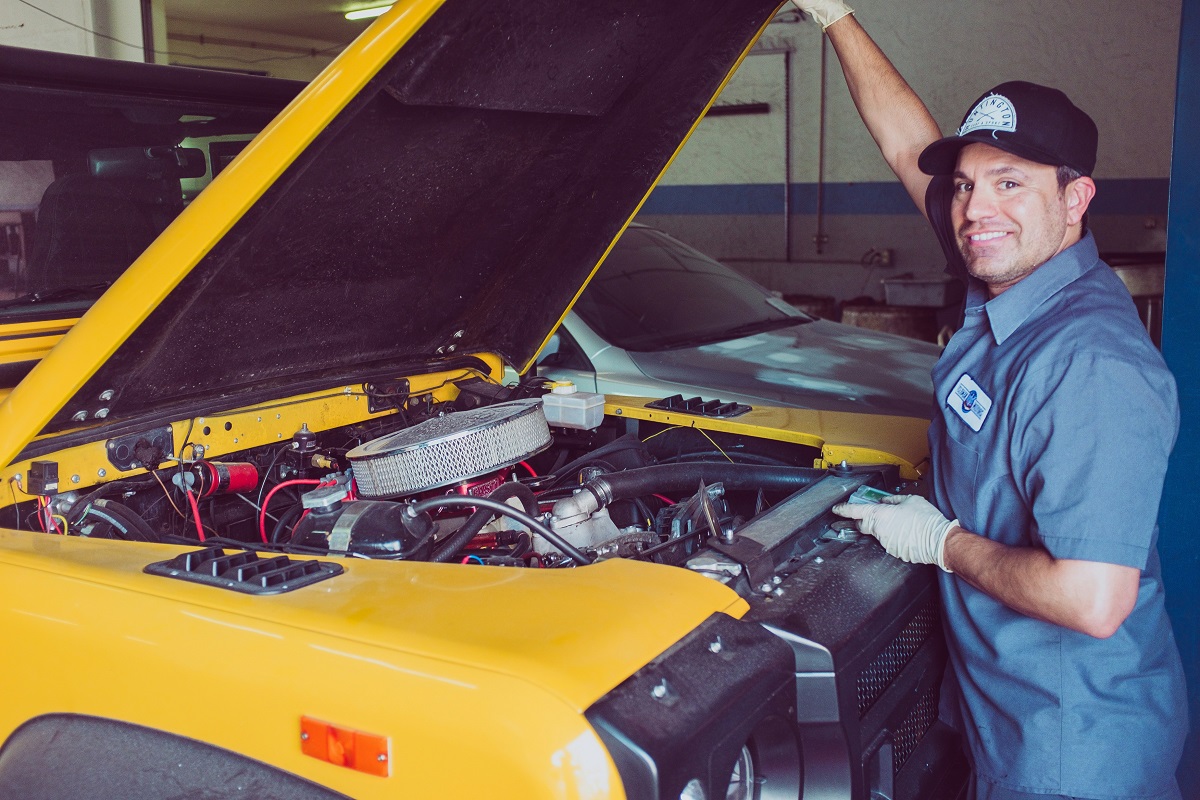
If you ask a shop what does a tune up include today, the honest answer stretches well past the engine bay. The service covers mechanical wear items, yes, but it also touches the electronics that keep collision avoidance, blind spot monitoring, and adaptive cruise control running correctly.
A thorough modern appointment typically includes:
- Spark plug replacement and ignition system inspection
- Air and fuel filter changes
- Oxygen sensor and PCV valve checks
- Camera and radar sensor cleaning and calibration
- Software updates for the engine, transmission, and safety modules
- Battery load testing and electrical system diagnostics
How Technicians Approach Sensor Calibration
Calibration is not just plugging in a scan tool and clearing codes. Technicians use targets, measuring tools, and sometimes special drive cycles to teach the vehicle where its sensors are pointing. Even a small windshield replacement or a minor fender bump can throw camera aim off by a few degrees, which is enough to disable lane keep assist entirely.
How Safety Systems Fail Quietly Between Service Visits
The scariest part of modern electronics is how they fail. A spark plug going bad will cause a rough idle. A failing camera may just stop working without any dashboard warning at all. Drivers assume their automatic emergency braking is active because the car never told them otherwise.
Dirt, road salt, bug splatter, and tiny vibrations all take their toll. Over time, the radar unit behind your grille can become partially blocked. The forward camera can drift as the windshield flexes. These issues rarely trigger a check engine light because they do not affect emissions or drivability. They only affect your safety.
Routine vehicle maintenance appointments should include a visual inspection of every external sensor, a diagnostic scan of all control modules, and a test drive to confirm that assist features are responding correctly. If your shop skips these steps, you are only getting half a service.
Which Problems Cost Drivers the Most Money?
Deferred service is the single biggest driver of expensive repair bills. Small issues compound in ways most drivers never see coming until the invoice lands in their hands. A dirty air filter leads to richer fuel mixtures, which fouls oxygen sensors, which confuses the engine computer, which eventually damages the catalytic converter. By the time you notice, the bill is in the thousands. What started as a twenty dollar filter you kept meaning to swap out has now cost you a weekend without your car and a down payment’s worth of parts and labor.
The same chain exists on the electronic side, and it is often worse because the symptoms look random. A weak battery causes voltage drops. Voltage drops confuse safety modules. Confused modules throw intermittent faults. Intermittent faults get misdiagnosed, replaced, and still return. Suddenly a thirty dollar battery test becomes a two thousand dollar diagnostic nightmare, often with a replaced blind spot module or lane keep camera that was never actually broken. This is exactly why disciplined vehicle maintenance is less about doing more and more about doing the small things on time.
According to Kwik Kar Spring Valley, every dollar spent on preventive maintenance returns three to ten dollars in avoided repair costs. That is one of the best returns you will ever find on anything you spend money on, and it applies directly to the sensor-heavy cars rolling out of dealerships right now. On older vehicles the math was already favorable, but on modern cars loaded with cameras, radar units, and dozens of control modules, the ratio skews even further toward the person who shows up for service on schedule. Understanding what does a tune up include today, and acting on it before warning lights appear, is the single clearest financial decision an owner can make.
Here are the top problems that commonly turn small bills into large ones:
- Ignoring battery warning signs until modules start acting up and begin logging codes that mimic much more expensive failures
- Skipping camera calibration after windshield work, which can lead to lane departure and automatic braking systems reacting incorrectly
- Letting the air filter stay in place past its service interval, dragging down fuel economy and slowly poisoning downstream emissions components
- Postponing spark plug replacement until misfires damage the catalytic converter, turning a routine hour of labor into a four figure exhaust job
- Driving with a slightly damaged bumper that houses sensors, since even cosmetic cracks can throw off radar aim and trigger phantom collision warnings
- Delaying brake fluid flushes, which allows moisture to corrode ABS and stability control components from the inside out
- Topping off low tires repeatedly instead of fixing a slow leak, which wears tread unevenly and confuses tire pressure monitoring sensors
Choosing the Right Shop for a Sensor-Equipped Car
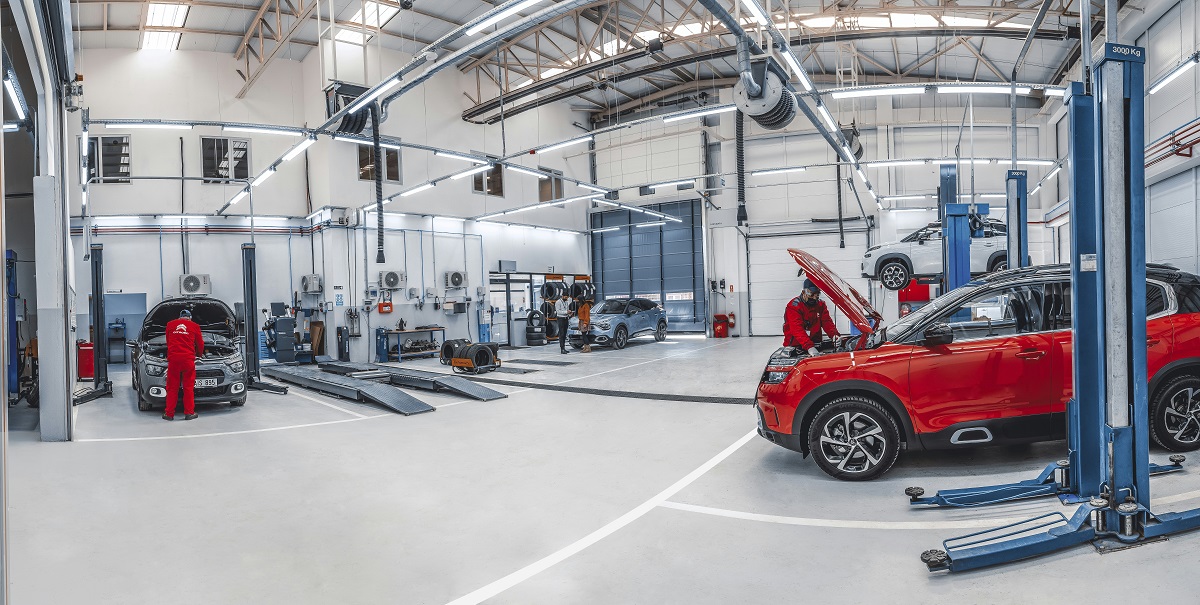
Not every garage is equipped to handle modern safety electronics. Calibration targets alone can cost shops tens of thousands of dollars, and the training required is significant. If your car was built after about 2018, you need a shop that can prove it has the equipment and knowledge to recalibrate your systems.
Ask direct questions before you book. Does the shop have static and dynamic calibration tools? Can they perform software updates for your specific make? Do they have experience with your model’s driver assistance package? A good shop will answer confidently. A bad one will dodge the question.
What Separates a Good Technician From a Great One
Great technicians read service bulletins, follow manufacturer procedures, and never skip a step just to save time. They understand that modern cars are systems, not collections of parts. They know that touching one component may require re-learning procedures for several others. Finding one of these people is worth more than a cheap coupon from a chain shop.
For broader context on keeping cars running well, this guide to auto repair essentials covers the fundamentals every owner should understand before handing over the keys.
Software Updates and Why They Matter More Each Year
Software is where cars have changed the most in the last five years. Automakers push updates that improve how cameras interpret lane markings, how radar filters out false positives, and how braking systems respond to pedestrians. Skip the updates and your car literally gets dumber over time compared to newer versions of the same model.
Some brands handle updates over the air, pushing them through the cellular connection built into the car. Others still require a trip to the dealer or an independent shop with factory scan tools. Either way, outdated software can cause phantom braking, lane assist that fights the driver, or adaptive cruise control that misreads traffic. None of these are theoretical complaints. They show up in owner forums every single day.
A thorough service visit should include a check of every control module’s current software version against the latest release. If updates are available, they should be installed before any calibration work begins. Calibrating sensors against outdated software is like adjusting a scope on a rifle whose barrel is about to be replaced. You end up doing the work twice.
Seasonal Factors That Affect Safety System Health
Weather plays a surprisingly large role in how long sensors stay accurate. Cold mornings cause plastic sensor housings to contract. Hot afternoons expand them again. Over hundreds of cycles, mounting brackets loosen just enough to shift aim. Winter road salt corrodes connectors and fogs camera lenses. Summer sun bakes wire insulation until it cracks.
Trucks, RVs, and off-road vehicles face even harsher conditions than daily commuters. Owners of these rigs should look into specialty vehicle care because standard service intervals rarely account for the extra stress these vehicles put on sensors and electronics. A pickup used for towing or a van used for weekend camping needs more frequent inspections than a sedan that only sees pavement.
Signs Your Car Is Asking for Attention
Pay attention to small clues. A lane keep assist light that flickers on cold mornings. An adaptive cruise control that disengages for no obvious reason. A parking sensor that beeps when nothing is there. These are the early warnings that something in the sensor network is drifting. Catch them early and the fix is simple. Ignore them and you may be looking at a module replacement.
Building a Service Schedule That Actually Protects You
The owner’s manual is the first place to look, but it is not the final word. Manuals set broad intervals based on average driving. If you commute through heavy traffic, drive in dusty conditions, or live where winters are brutal, you need more frequent attention than the manual suggests.
A reasonable rhythm for most sensor-equipped cars looks like this:
- Full inspection and software check every twelve months or fifteen thousand miles
- Camera and radar visual check at every oil change
- Battery load test twice a year, before summer heat and winter cold
- Calibration after any windshield replacement, bumper repair, or suspension work
- Full diagnostic scan any time a warning light appears, even briefly
Stick to this schedule and your safety systems will keep working the way the engineers intended. Drift away from it and you are slowly turning a smart car into a dumb one with a very expensive dashboard.
The Bottom Line
Modern cars demand more from a service visit than ever before, and the gap between a basic oil change and a complete inspection has never been wider. The electronics that keep you safe are quietly working every second you drive, and they need the same kind of attention we used to reserve for the engine itself. Treating sensors, cameras, radar units, and software as core service items rather than optional extras is the single biggest shift drivers need to embrace.
The good news is that staying ahead of problems is not complicated. Find a shop that understands modern safety electronics, follow a schedule that fits your actual driving conditions, and pay attention to the small signals your car gives you. Those three habits will protect your wallet and, more importantly, protect the people riding with you.
Cars will keep getting smarter, and the service industry will keep adapting. Owners who learn to ask the right questions and expect more from their appointments will get vehicles that stay sharp for years. Owners who stick with old assumptions will keep paying for repairs that proper care would have prevented. The choice really does come down to how you approach every visit.
